
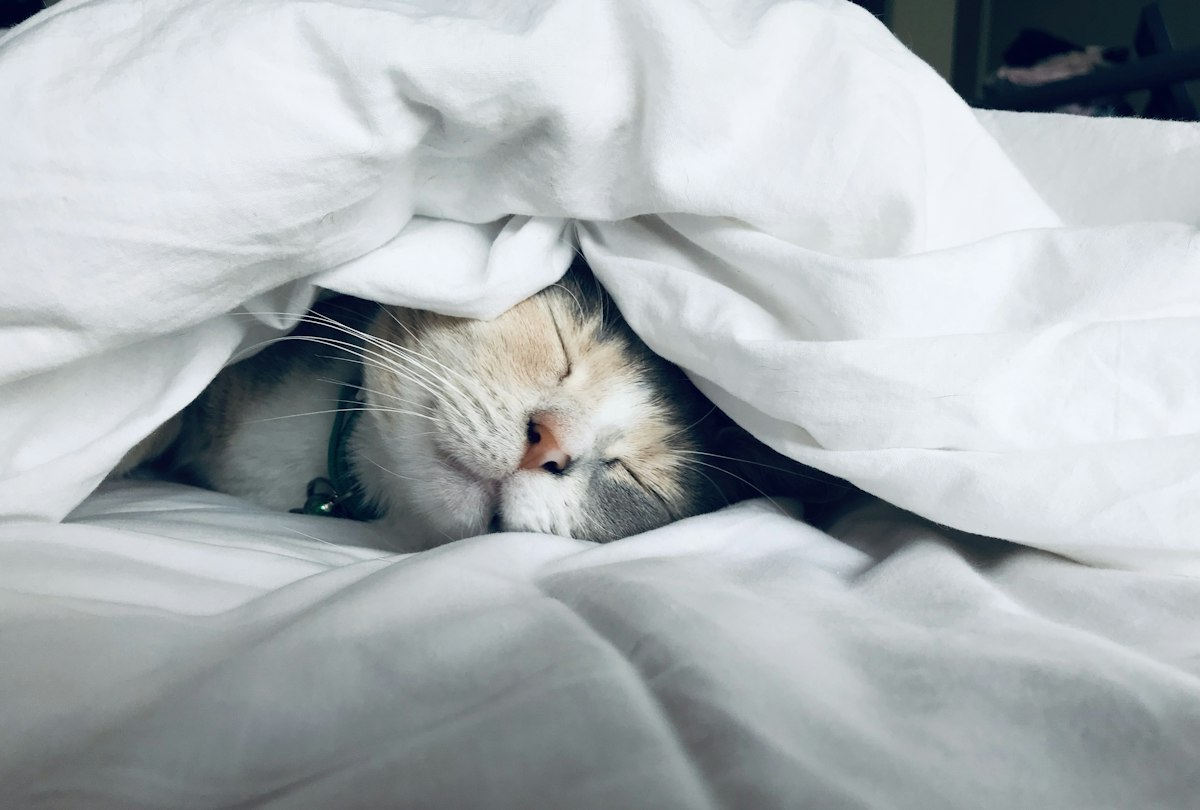
A kinder evening routine when recovery feels slow
Recovery is rarely a single brave afternoon. It is a string of evenings in which the body either gets a chance to settle or is asked to stay on duty. This piece is a field guide to those evenings. It sits beside Imani Blake’s mental-wellness conversations and Andre Cole’s movement notes, because sleep is where mood and muscles negotiate.
Dim the day on purpose
Bright screens at midnight tell the brain that the market is still open. You do not need a perfect ritual. Choose a time when overhead lights go warmer or fewer, and when the loudest show can wait until tomorrow. If pain or worry spikes when the house gets quiet, write one sentence about it for the morning instead of researching it for an hour. The sentence can go on your visit page.
Caffeine hides in afternoon tea, cola, and “just a square of chocolate” for some people. You are allowed to notice your own pattern without declaring a rule for everyone else. If sleep is the question you want to bring to a clinician, jot the last caffeine time beside the time you got into bed for a week. That pair of times is often more revealing than a lecture about discipline.
Pain, worry, and the bargain people make
Many people stay up because lying down is when the knee, the back, or the thought arrives. Andre would ask what position is tolerable, not whether you have become lazy. Imani would ask what the thought is trying to finish. Neither answer belongs in a public form with graphic detail. A planning conversation is the right room for it.
If nights include thoughts of harming yourself, or you feel unsafe, contact local emergency services or a local crisis resource. Do not send that story to a weekday inbox and wait.
Morning tells the truth about the night
Judge the routine by the next day, not by how virtuous the evening looked. Did you wake once or five times? Did you need a long nap that stole the following bedtime? Did walking feel available? A week of honest checkmarks beats a month of ideal schedules you abandon. Share the checkmarks, not an apology.
A small evening list
- Set a lights-down time you can keep on ordinary days.
- Leave a mask and a glass of water where you will see them, if either is part of your season.
- Write tomorrow’s one medical question so your mind can put it down.
- Stop adjusting medicines on your own because an evening felt bad.
- If a symptom is severe or new, seek urgent local care instead of refining the routine.
The journal will keep publishing short pieces like this. They are companions to a visit, not substitutes. When you want a person to read your week with you, request a conversation and say whether rest, mood, or movement is the door you want opened first.